Car Chipping: What It Is and Is It Worth the Upgrade?
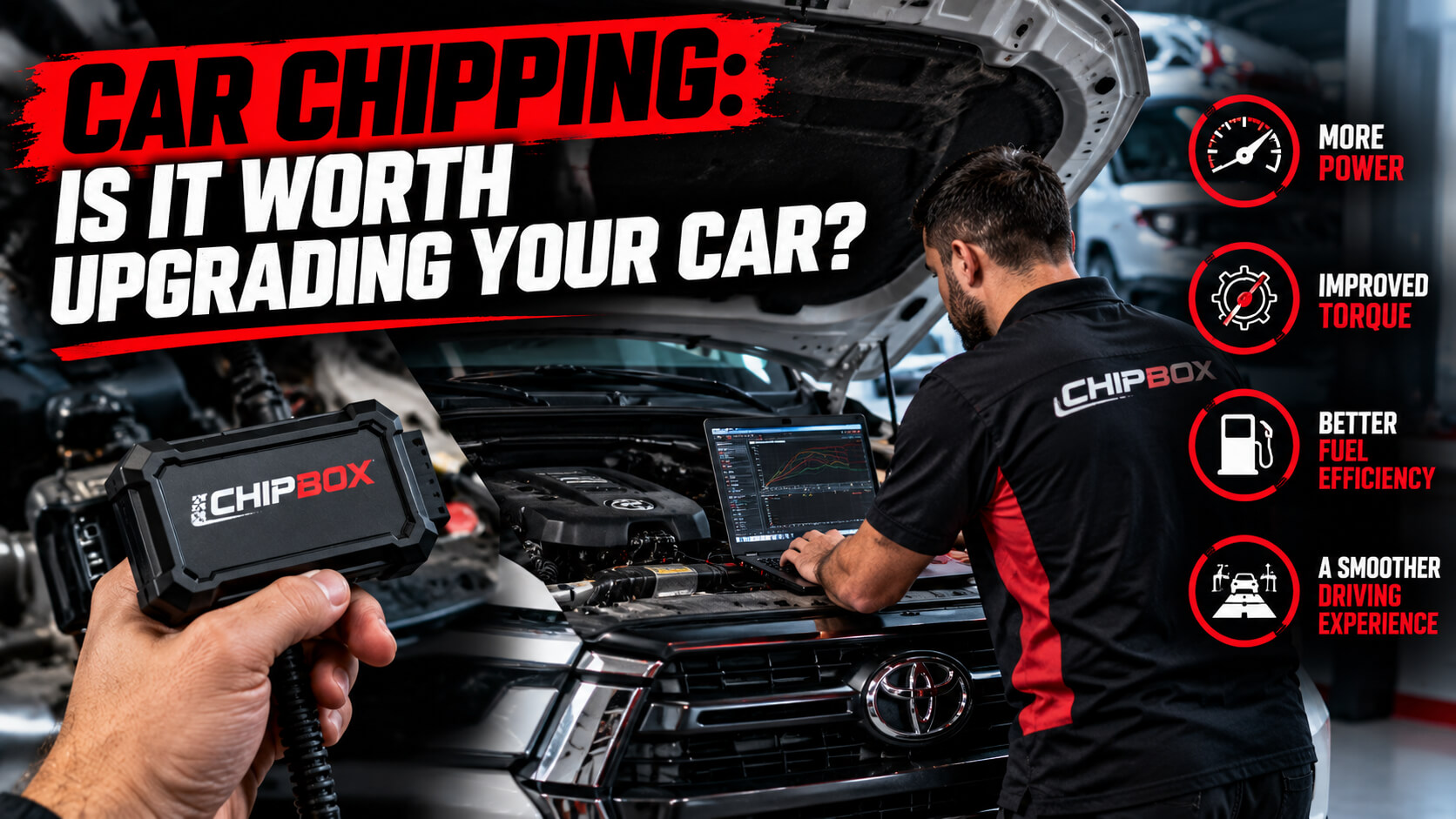
Car chipping is one of the most talked-about ways to upgrade your car’s performance, but it’s also one of the most misunderstood. Done properly, it can noticeably improve power, torque and fuel efficiency without a single mechanical part being replaced. Done poorly, it can strain an engine beyond its limits. This article breaks down what car chipping actually involves, the real benefits you can expect, and what to check before booking your vehicle in.
What Is Car Chipping?
Car chipping, also called ECU remapping or chip tuning, involves adjusting the software that controls your engine’s fuel delivery, boost pressure and ignition timing. Manufacturers calibrate these settings conservatively from the factory to suit a wide range of markets, fuel grades and emissions regulations.
A professional chip tune recalibrates these parameters specifically for your engine, within its mechanical limits, to unlock performance the factory tune leaves on the table. No engine components are replaced and the upgrade works entirely through software.
The Real Benefits of Car Chipping
The appeal of chipping goes beyond bragging rights about horsepower figures. For most owners, the day-to-day benefits matter more.
More Usable Power and Torque
A well-calibrated chip improves torque delivery, particularly in the low-to-mid rev range where most everyday driving and towing happens. This means stronger acceleration and less strain on the engine when carrying extra weight or climbing inclines.
Improved Fuel Efficiency
With more torque available lower in the rev range, the engine doesn’t need to work as hard or rev as high to maintain speed. For long-distance driving or vehicles that regularly tow or carry load, this more efficient combustion process can translate into real fuel savings over time.
Better Response for Towing and Loaded Driving
Vehicles that tow trailers, caravans or carry heavy loads often feel the factory tune’s limitations most. Chipping helps close that gap, giving the engine more usable power exactly where it’s needed under load.
Is Car Chipping Safe for Your Engine?
This is the question that matters most, and the honest answer is: it depends entirely on who does it. A generic, one-size-fits-all remap applied without regard for a specific engine’s tolerances can push components beyond safe limits, risking long-term reliability.
A responsible chip tune is developed for the specific engine and model, not applied as a blanket file across different vehicles. At Chipbox, tuning files are built around each engine’s mechanical tolerances, which is what allows for measurable gains in power and fuel efficiency without compromising reliability.
What to Check Before You Upgrade
Before booking a chip tune, it’s worth confirming a few things with your installer:
- Whether the tuning file is custom-developed for your specific make and model, or a generic template
- What gains to realistically expect for your driving needs daily commuting, towing, or touring
- Whether the installer has experience with your vehicle type specifically
- What support or backup is offered after the tune, should you need the file adjusted or reverted
Final Thoughts
Car chipping remains one of the most cost-effective ways to upgrade your car’s performance, provided it’s done by a specialist who understands the specific engine involved. The benefits are more usable power, improved fuel efficiency, and better response under load are well worth it when the tuning is done right.
If you’re ready to find out what a professional chip tune could do for your vehicle, get in touch with the Chipbox team. Call 012 348 3595, email info@chipbox.co.za, or visit our contact page to book your vehicle in.